Updates
SCOTUS to Hear Case Over Proper Scope of the Video Privacy Protection Act (VPPA)
March 4, 2026
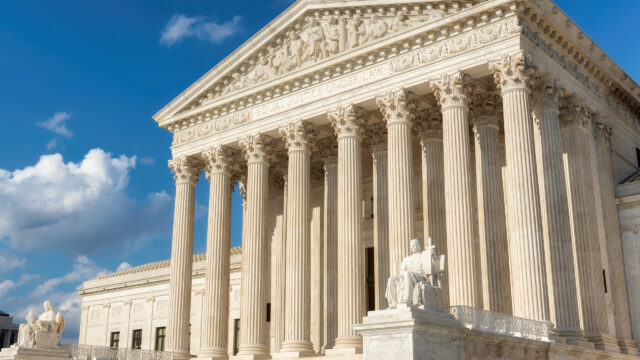
On January 26, 2026, the Supreme Court of the United States (SCOTUS) granted a petition for a writ of certiorari in Salazar v. Paramount Global, a case addressing the proper scope of the Video Privacy Protection Act (VPPA) in the digital age.
The VPPA prohibits video service providers from disclosing consumers’ sensitive personal information to third parties without the consumer’s consent. The statute was originally adopted in 1988 with a focus on video stores like Blockbuster, but it was modernized by Congress in 2012 (in what has been dubbed the “Netflix Amendment”) to reflect changes brought about by the internet.
Due to the lack of a comprehensive federal privacy law, the VPPA serves an important role—albeit only in one industry—in protecting consumers’ privacy. The VPPA has been used to prevent video providers from sharing consumers’ personally identifiable information with third-party data brokers and advertisers (such as through Meta’s tracking pixel) without proper informed consent, to give consumers more control over their data.
Tech companies that sell consumers’ data, however, have repeatedly pushed for a narrow interpretation of the VPPA that would render it less effective at protecting the public. Paramount v. Salazar is the first case the Supreme Court has taken in recent years to provide clarity on the VPPA’s proper scope.
Salazar presents the question whether a consumer who subscribed to a newsletter from a company owned by a streaming service (Paramount) qualifies for VPPA protections. The statute itself defines a consumer as “any renter, purchaser, or subscriber of goods or services from a video tape service provider.” But Paramount argued that to be a consumer a person must subscribe to audiovisual goods or services specifically. Two federal appellate courts have already rejected this argument, but the Sixth Circuit agreed with Paramount, leading the plaintiffs to appeal to the Supreme Court. The case will be heard in the fall.
EPIC has filed numerous amicus briefs on the proper scope of the VPPA in recent years, most recently in the Ninth Circuit in September 2025. and has also testified before Congress to explain the statute’s history and purpose.
Support Our Work
EPIC's work is funded by the support of individuals like you, who allow us to continue to protect privacy, open government, and democratic values in the information age.
Donate