Updates
EPIC, Coalition Urge FISA Section 702 Reform as Deadline Looms
June 1, 2026
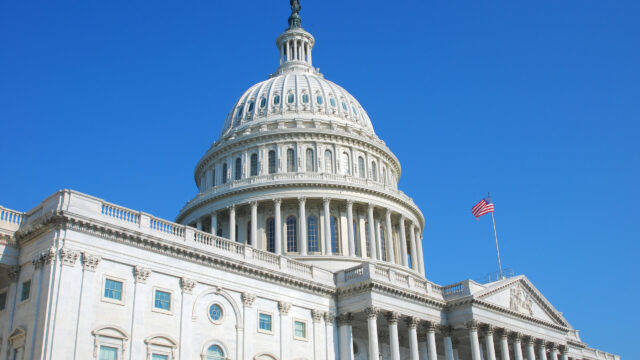
In a letter sent on Monday, EPIC joined a coalition of civil society organizations calling on Congress to advance real, commonsense reforms to Section 702 of the Foreign Intelligence Surveillance Act, which is set to expire next week.
Without basic reforms, any reauthorization of Section 702 would leave the communications and other private information of law-abiding Americans vulnerable to government access and abuse.
To protect Americans and their most sensitive data, Congress must pass reforms that require a court order for U.S. person queries, close the data broker loophole, revise the law’s definition of “Electronic Communication Service Provider,” and strengthen its amici provisions.
The 45-day FISA extension passed at the end of April followed multiple failed attempts to pass reauthorization proposals that did not include reforms. This Congress has refused to allow floor votes on meaningful reforms, barring a standard part of the FISA reauthorization process and creating this impasse.
In a letter addressed to Congressional Leadership, the coalition said it is “deeply concerned by recent efforts to reauthorize Section 702 without meaningful improvements to protect Americans from warrantless surveillance, or even allow votes on such reforms.”
Senators from both sides of the aisle have introduced three bills would all reauthorize Section 702 of FISA while making crucial reforms to protect Americans’ privacy and civil liberties: The Government Surveillance Reform Act of 2026 (GSRA); the Security and Freedom Enhancement Act of 2026 (SAFE Act); and the Protect Liberty and End Warrantless Surveillance Act of 2026 (Protect Liberty Act).
EPIC has long been a staunch advocate for broad reform of Section 702 and in 2023 published a blog series— including this overview of the issue explaining why the law must be reformed.

Support Our Work
EPIC's work is funded by the support of individuals like you, who allow us to continue to protect privacy, open government, and democratic values in the information age.
Donate