Updates
Divided Ninth Circuit Panel Invents “Choose to Listen” Exemption for Multimedia Messaging Services (MMS) Spam
January 23, 2026
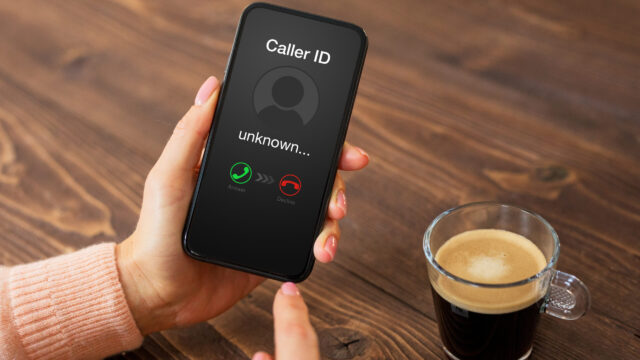
On January 13, a Ninth Circuit panel issued its opinion in Howard v. Republican National Committee, in which a phone subscriber (Howard) received unwanted video messages from a political action committee and sued under the Telephone Consumer Protection Act (TCPA). The majority affirmed the lower court’s dismissal of the case, finding that Howard needed to affirmatively click to play the video, so the message was not a call containing a prerecorded voice prohibited under the TCPA. EPIC and NCLC filed an amicus brief in this case, arguing that Multimedia Messaging Service (MMS) spam, such as texts containing video messages, are “calls” containing prerecorded voices under the TCPA; Judge Rawlinson’s dissenting opinion made similar points.
In its amicus brief, EPIC and NCLC argued that the TCPA protects consumers against the receipt of unwanted calls containing automated or prerecorded voices, regardless of whether the phone rings or the message goes directly to voicemail, and regardless of whether the message plays automatically or the consumer must take an action to listen to the message. The amicus brief noted that the lower court interpreted the law in a way that inserted extra words into the TCPA, reading “call” instead as “voice call”, and fabricating a distinction between “voice calls” and “text calls.”
In her dissent, Judge Rawlinson similarly explained that the video file was sent contemporaneously with the text message, refuting the arbitrary distinction created by the majority that the MMS message was somehow not initiated with a prerecorded voice. Judge Rawlinson noted that the majority’s opinion interprets the TCPA as prohibiting “beginning” a call with a prerecorded voice, whereas the statute explicitly prohibits “making” any call with a prerecorded voice.
EPIC routinely participates in regulatory and legislative processes to reduce robocalls and files amicus briefs in robocall cases.
Support Our Work
EPIC's work is funded by the support of individuals like you, who allow us to continue to protect privacy, open government, and democratic values in the information age.
Donate