Updates
EPIC Urges Representatives to Vote NO on Privacy Invasions at Treasury
May 1, 2026
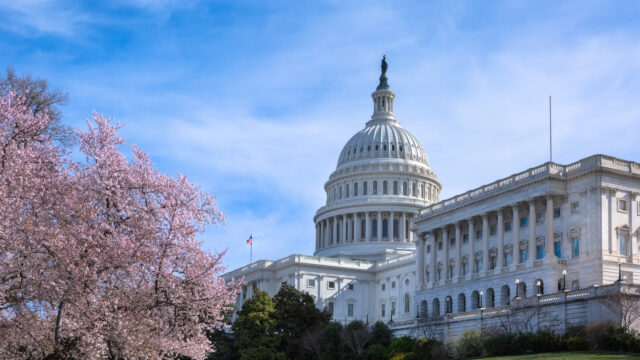
EPIC urged the House Committee on Oversight and Government Reform on Tuesday to table H.R. 8312, 8463, and 8464, warning in a statement that the three bills present grave and unwarranted threats to the privacy and liberty of every American.
On April 30, 2026, Committee Chairman James Comer introduced a suite of bills that included the so-called Fraud Prevention and Accountability Act (H.R. 8312), the Pre-Payment Fraud Prevention & Treasury Data Access Act (H.R. 8463), and the Stopping Fraudulent Payments Act (H.R. 8464). The bills, which were advanced on an unusually expedited timeline, come in the wake of President Trump’s Executive Order 14249, (“Protecting America’s Bank Account Against Fraud, Waste, and Abuse”). Issued last year, that EO directed agencies across the federal government to link as many databases as possible to the Treasury’s Do Not Pay system for the nominal purposes of deterring “waste, fraud, and abuse.” In the year since, hundreds of databases have been connected to the Treasury system, eroding privacy protections on the personal information they contain.
EPIC’s statement, read into the record by Representative Rashida Tlaib, argues that these bills disrupt the balance between privacy protection and program integrity and hasten the construction of the dystopian national databank that Congress has long fought to prevent. “The consolidation of personal information creates grave privacy and security concerns and grants tremendous power on those who control it—power that can be weaponized by this administration or the next,” the letter reads.
Despite claims of widespread fraud against the government, crucial questions remain unanswered about the bills: What meaningful limitations are there on the Secretary of the Treasury’s power to demand and disclose data? What exactly constitutes “fraud” under these bills? And why is a massive surveillance database that can be trawled without individualized suspicion the solution?
“Americans should not have to trade their privacy at the door to obtain food, healthcare, and other vital forms of public assistance,” EPIC’s statement argues. These bills pose serious threats to privacy, lack the guardrails necessary to prevent government misuse and abuse of Americans’ personal data, and should not be advanced. EPIC continues to stand up against these and other privacy-eroding actions across the federal government.
Support Our Work
EPIC's work is funded by the support of individuals like you, who allow us to continue to protect privacy, open government, and democratic values in the information age.
Donate