Updates
Ninth Circuit Signals It Will Likely Not Address Section 230 Questions Until Later Stage of Litigation in California v. Meta
January 7, 2026
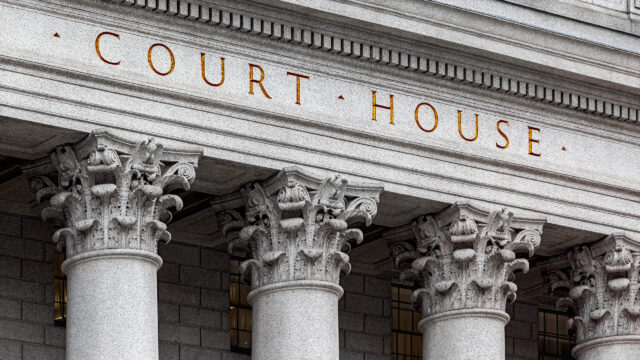
The Ninth Circuit heard oral argument on Tuesday, January 6, in California et al. v. Meta et al., a tech accountability case in which Meta appealed a district court decision denying them Section 230 protections for some claims related to the alleged addictive design of their social media platforms. During the argument, the panel of judges focused almost entirely on the court’s jurisdiction (or lack thereof) to hear the case, indicating that they are unlikely to resolve the substantive Section 230 questions at this point. Instead, they signaled that they think Section 230 only provides immunity from liability, not from suit, meaning tech companies like Meta can’t immediately appeal adverse decisions denying them Section 230 protection. Such a ruling would ensure that strong tech accountability claims move forward to discovery where the facts can be further developed.
This appeal is just one part of a groundbreaking multi-district litigation combining thousands of cases in which school boards, private individuals, and dozens of state attorneys general have sued Meta. The collected cases allege that Meta harmed users by designing its social media platforms to be addictive and misled users and the public about its activities. EPIC, alongside a group of civil society organizations and legal scholars, filed an amicus brief explaining that Section 230 should not bar any of the claims against Meta.
The case is one of many to raise important questions about whether Section 230, which was passed to protect users’ speech rights online, protects tech companies from claims that they designed their online platforms in harmful ways. But during oral argument, it became clear that the judges are unlikely to decide the core Section 230 issues presented by the case. Almost every question they asked instead focused on whether they had jurisdiction to decide the issues now or, instead, must wait until the case progressed in the lower court.
Absent narrow contexts, courts of appeal can only hear a case once a lower court enters final judgment on all claims in the case. The Ninth Circuit panel of judges in this case seemed to doubt that denial of a motion to dismiss a case on Section 230 grounds was such a judgment. This means that they will likely remand the case back to the district court for a trial, leaving the district court’s Section 230 rulings in place for now until either or both parties appeal the final judgment.
While this would mean that the Ninth Circuit would not address the Section 230 merits questions raised in this appeal now, it is still a meaningful and important clarification. Companies have long claimed that Section 230 bars lawsuits altogether, not just findings of liability. If true, this would mean that a company can put a case on hold and immediately appeal when they lose a Section 230 argument, avoiding discovery and trial. The Ninth Circuit’s expected ruling would reject this interpretation, making it more likely that those harmed by harmful tech company conduct have their day in court.

Support Our Work
EPIC's work is funded by the support of individuals like you, who allow us to continue to protect privacy, open government, and democratic values in the information age.
Donate