Analysis
The Spirit of DOGE Is Alive and Well in the House’s So-Called Fraud Prevention Bills
June 9, 2026 |
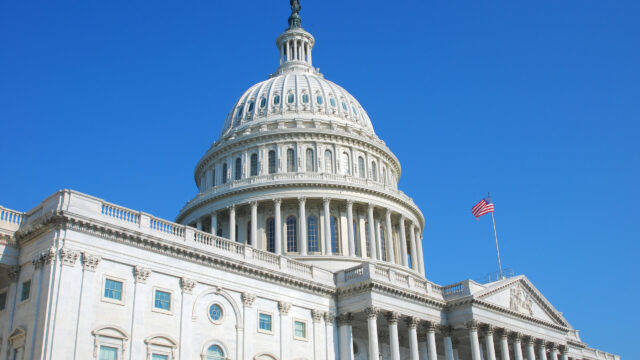
What’s old is new again. This week, the House of Representatives votes on three bills that would permanently formalize the DOGE playbook, risking the privacy and liberty of every American for the sake of unproven fraud prevention methods. H.R. 8312, 8463, and 8464 would consolidate massive amounts of personal information at the Treasury Department with little restriction, enable the Treasury to automatically analyze that information, and authorize the Treasury to investigate individuals and stop or segment payments without much more than a hunch. EPIC opposed these bills when they were introduced. We oppose them now.
In 2025, DOGE bulldozed its way into numerous agencies across the federal government, including the Treasury, with the explicit goal of gathering up as much information as possible and blocking lawful payments to individuals and political opponents. DOGE personnel at the Treasury promptly flouted data security guardrails under the false flag of “fraud, waste, and abuse” and illegally disclosed sensitive personal data to further political goals. According to a recent report from the U.S. Government Accountability Office, Treasury’s data security has not fully recovered, and the agency’s information systems are still at great risk of improper access and abuse.
Now the House is considering legislation that would make the DOGE playbook the law of the land. H.R. 8312, the Fraud Prevention and Accountability Act, would create a national databank at the Treasury, greatly expanding the sensitive information the agency holds and directing the agency to continuously analyze the information without any individualized suspicion of wrongdoing. H.R. 8464, the Stopping Fraudulent Payments Act, grants the Treasury the authority to stop or segment payments if the agency suspects that there is an elevated risk of fraud based on a “fraud-risk indicator”—a broad and ill-defined metric that significantly increases the likelihood that the databank will be weaponized by this Administration or the next. Finally, H.R. 8363, the Pre-Payments Fraud Prevention and Treasury Data Access Act, would expand the Treasury’s bloated Do Not Pay system and authorize the Treasury to gather whatever information the agency would like, including some taxpayer and Social Security information.
EPIC does not oppose fraud prevention. Eliminating fraud and abuse of government funds are valid objectives, and federal agencies have many lawful tools at their disposal to address these concerns. But the federal government administers numerous programs that Americans rely on to make ends meet. It is possible—indeed, essential—to maintain a careful balance between fraud prevention and the protection of our privacy and liberty. Unaccountable national databanks that can be searched without suspicion and weaponized by anyone in power cannot strike that balance. Americans should not have to check their rights at the door to access vital public assistance.
What happens now? H.R. 8463 has already passed the House, but the other two bills are still under consideration. If they pass the House this week, attention will turn to the Senate, which may take up similar legislation. EPIC and our partners will continue fight this overreach and threat to our privacy to the end. We could use your support.
Support Our Work
EPIC's work is funded by the support of individuals like you, who allow us to continue to protect privacy, open government, and democratic values in the information age.
Donate